- Empathic listening
- Thought‑pattern work
- Meaning and values
About April
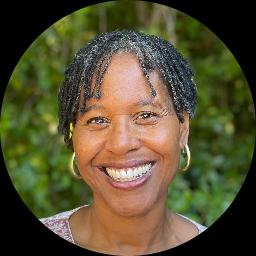
April Bolin is a Licensed Clinical Social Worker (LCSW) with 25 years of experience. She works with people facing depression, anxiety, grief, relationship strain, addiction concerns, and other stressful life changes. April uses a calm, straightforward style to help people name what is hard and make practical shifts.
She favors approaches that focus on how thoughts, feelings, and meaning shape daily life. Cognitive Behavioral Therapy is one tool she often uses to help people notice and change patterns that keep them stuck. Client-Centered Therapy is central to her work, emphasizing a respectful, nonjudgmental space where a person’s goals guide the sessions.
April also draws on existential ideas when people wrestle with purpose, loss, or larger life questions. Mindfulness practices and aspects of Jungian thought are available for clients who want to explore inner symbols, dreams, or present-moment awareness. Her background includes work in partial hospitalization programs and training from the Chaplaincy Institute’s Interfaith Seminary.
She has experience supporting people from the LGBTQ community, those processing trauma and abuse, and individuals coping with caregiver strain or hospice-related concerns. April describes herself as spiritual but not tied to any single faith tradition, and she respects diverse cultural and spiritual perspectives.
Her work aims for clear, usable change rather than jargon. Sessions focus on small, concrete steps that fit into everyday life and build toward larger shifts over time.
She favors approaches that focus on how thoughts, feelings, and meaning shape daily life. Cognitive Behavioral Therapy is one tool she often uses to help people notice and change patterns that keep them stuck. Client-Centered Therapy is central to her work, emphasizing a respectful, nonjudgmental space where a person’s goals guide the sessions.
April also draws on existential ideas when people wrestle with purpose, loss, or larger life questions. Mindfulness practices and aspects of Jungian thought are available for clients who want to explore inner symbols, dreams, or present-moment awareness. Her background includes work in partial hospitalization programs and training from the Chaplaincy Institute’s Interfaith Seminary.
She has experience supporting people from the LGBTQ community, those processing trauma and abuse, and individuals coping with caregiver strain or hospice-related concerns. April describes herself as spiritual but not tied to any single faith tradition, and she respects diverse cultural and spiritual perspectives.
Her work aims for clear, usable change rather than jargon. Sessions focus on small, concrete steps that fit into everyday life and build toward larger shifts over time.
This summary is based on the profile information listed on BetterHelp.