- Client-centered care
- Practical tools
- Trauma-informed support
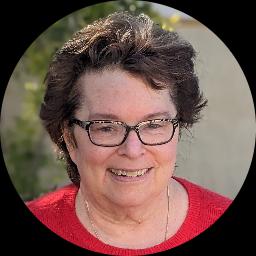
About Cynthia
Cynthia Daley is a Licensed Professional Counselor (LPC) practicing in Arizona with about 20 years of experience. She focuses on helping people who are struggling with stress, anxiety, trauma, grief, depression, and related concerns. Cynthia aims to create a calm, respectful space where people can begin to make changes at their own pace.
She uses a client-centered stance that puts the person's experience first. That means listening carefully, asking practical questions, and building on strengths the client already has. She also draws on cognitive behavioral ideas to help people notice unhelpful thoughts and try different behaviors.
Cynthia has worked with a wide range of issues including addictions, relationship and intimacy-related problems, anger, low self-esteem, bipolar and other mood disorders, and compassion fatigue. Her practice also covers concerns tied to aging, chronic illness and pain, cancer, hospice and end-of-life counseling, and veteran-related issues.
When trauma is part of the story, she may include EMDR elements and mindfulness techniques to help people process painful memories and reduce their hold on daily life. Hypnotherapy and existential approaches are also part of her toolbox when a client and therapist agree they fit the need.
Her style is warm and nonjudgmental. She treats people as the experts on their lives and supports them in finding realistic steps forward. To begin, she invites people to take a first step and arrange an initial match and scheduling conversation.
She uses a client-centered stance that puts the person's experience first. That means listening carefully, asking practical questions, and building on strengths the client already has. She also draws on cognitive behavioral ideas to help people notice unhelpful thoughts and try different behaviors.
Cynthia has worked with a wide range of issues including addictions, relationship and intimacy-related problems, anger, low self-esteem, bipolar and other mood disorders, and compassion fatigue. Her practice also covers concerns tied to aging, chronic illness and pain, cancer, hospice and end-of-life counseling, and veteran-related issues.
When trauma is part of the story, she may include EMDR elements and mindfulness techniques to help people process painful memories and reduce their hold on daily life. Hypnotherapy and existential approaches are also part of her toolbox when a client and therapist agree they fit the need.
Her style is warm and nonjudgmental. She treats people as the experts on their lives and supports them in finding realistic steps forward. To begin, she invites people to take a first step and arrange an initial match and scheduling conversation.
This summary is based on the profile information listed on BetterHelp.