- Client-centered
- Problem solving
- Goal focused
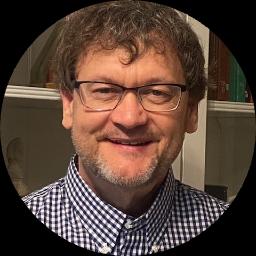
About Mark
Mark Dunn is a licensed counselor with LCMHC and LPCC credentials. He brings 24 years of professional experience and focuses on issues such as stress, anxiety, relationship concerns, grief, coping with life changes, and depression. He aims to meet people where they are and provide steady support as they work toward clearer goals.
He favors a conversational, respectful tone in sessions. Mark adapts his approach to match each person's needs rather than using a single rigid method. He listens for what matters most and helps people set small, manageable steps to move forward.
Over his career he has helped people deal with compassion fatigue, caregiver stress, and isolation. He also addresses attachment concerns, blended family stresses, codependency, and problems with communication and control. Practical problem solving and emotional understanding are both part of his work.
Mark uses a mix of well-known methods in therapy. He draws on client-centered listening, cognitive behavioral ideas, dialectical behavior skills, mindfulness practices, and motivational interviewing techniques. Those methods are combined to fit each person's goals and pace.
He works from North Carolina and meets people in English. If you want to begin, he recommends using the site Start Therapy process to match and schedule a first appointment. If you're unsure about session options, check the booking details before you schedule.
He favors a conversational, respectful tone in sessions. Mark adapts his approach to match each person's needs rather than using a single rigid method. He listens for what matters most and helps people set small, manageable steps to move forward.
Over his career he has helped people deal with compassion fatigue, caregiver stress, and isolation. He also addresses attachment concerns, blended family stresses, codependency, and problems with communication and control. Practical problem solving and emotional understanding are both part of his work.
Mark uses a mix of well-known methods in therapy. He draws on client-centered listening, cognitive behavioral ideas, dialectical behavior skills, mindfulness practices, and motivational interviewing techniques. Those methods are combined to fit each person's goals and pace.
He works from North Carolina and meets people in English. If you want to begin, he recommends using the site Start Therapy process to match and schedule a first appointment. If you're unsure about session options, check the booking details before you schedule.
This summary is based on the profile information listed on BetterHelp.