- Veteran perspective
- Addiction experience
- Skills focused
About Richard
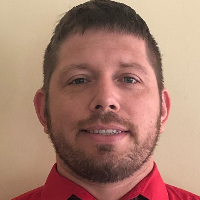
Richard Rodgers is a Licensed Clinical Social Worker (LCSW) with ten years of experience in mental health and addiction care. He draws on his own return from military service to connect with people facing heavy challenges. He focuses on straightforward, respectful conversation and practical steps that can fit into real life.
Rick began in the Army National Guard and moved into civilian behavioral health. He holds a Bachelor’s in Community Health and a Master of Social Work, and he has worked across inpatient and outpatient settings. That experience includes intensive work in addiction and ongoing care for depression, anxiety, and trauma.
In sessions he listens first, then helps people decide what to try next. He uses a mix of approaches to match each person’s needs. Expect help sorting problems, learning useful skills, and making a plan that feels doable.
He has worked with people impacted by substance use, traumatic events, and relationship strain. He also supports concerns like sleep problems, anger, low self-esteem, work stress, and parenting strain. Rick aims to help people move from crisis toward steadier daily routines.
Outside of clinical work he spends time with family, goes to concerts, and follows sports. That balance shows up in a practical and down-to-earth style in the therapy room. Prospective clients should confirm current session options before booking.
Rick began in the Army National Guard and moved into civilian behavioral health. He holds a Bachelor’s in Community Health and a Master of Social Work, and he has worked across inpatient and outpatient settings. That experience includes intensive work in addiction and ongoing care for depression, anxiety, and trauma.
In sessions he listens first, then helps people decide what to try next. He uses a mix of approaches to match each person’s needs. Expect help sorting problems, learning useful skills, and making a plan that feels doable.
He has worked with people impacted by substance use, traumatic events, and relationship strain. He also supports concerns like sleep problems, anger, low self-esteem, work stress, and parenting strain. Rick aims to help people move from crisis toward steadier daily routines.
Outside of clinical work he spends time with family, goes to concerts, and follows sports. That balance shows up in a practical and down-to-earth style in the therapy room. Prospective clients should confirm current session options before booking.
This summary is based on the profile information listed on BetterHelp.