
Dr. Shelia Williamson Collins
LPC, LCPCNorth Carolina · 18 yrs exp
Experienced counselor focused on practical skills
Stress, Anxiety · Addictions · Trauma and abuse · Anger · +13 more
Read profileA plain-language guide to therapist profiles
Therapist listings are provided by BetterHelp. We will earn a commission at no additional cost to you if you sign up through our links.
Compare focus areas, degrees, languages and therapeutic approaches among professionals listed in North Carolina. Browse profiles to learn more and confirm each professional's permission to work with you where you live.
North Carolina · 18 yrs exp
Experienced counselor focused on practical skills
Stress, Anxiety · Addictions · Trauma and abuse · Anger · +13 more
Read profile
North Carolina · 14 yrs exp
Compassionate practical therapy for life’s hard moments
Stress, Anxiety · Relationship · Family · Trauma and abuse · +9 more
Read profile
North Carolina · 20 yrs exp
Compassionate counselor helping adults move forward
Stress, Anxiety · Anger · Self esteem · Bipolar · +9 more
Read profile
North Carolina · 7 yrs exp
Compassionate care for mood and relationships
Stress, Anxiety · Relationship · Trauma and abuse · Depression · +1 more
Read profile
North Carolina · 16 yrs exp
Practical support for stress and relationship strain
Stress, Anxiety · Relationship · Self esteem · Depression · +8 more
Read profile
North Carolina · 27 yrs exp
Compassionate, experienced therapist for life transitions
Stress, Anxiety · Relationship · Grief · Self esteem · +7 more
Read profile
North Carolina · 20 yrs exp
Therapist focused on practical, respectful care
Stress, Anxiety · Addictions · Family · Parenting · +11 more
Read profile
North Carolina · 13 yrs exp
Compassionate therapist for life transitions
Stress, Anxiety · Relationship · Anger · Bipolar · +13 more
Read profile
North Carolina · 15 yrs exp
Compassionate therapist focusing on depression and trauma
Stress, Anxiety · Trauma and abuse · Grief · Self esteem · +11 more
Read profile
North Carolina · 14 yrs exp
Compassionate counselor focused on practical change
Stress, Anxiety · Addictions · Relationship · Family · +15 more
Read profile
North Carolina · 15 yrs exp
Compassionate practical therapy for mood and attention concerns
Stress, Anxiety · Self esteem · Bipolar · Depression · +14 more
Read profile
North Carolina · 14 yrs exp
Therapist focused on practical change
Stress, Anxiety · Family · Trauma and abuse · Depression · +16 more
Read profile
North Carolina · 14 yrs exp
Supportive LMFT focused on relationships and wellbeing
Stress, Anxiety · LGBT · Relationship · Family · +14 more
Read profile
North Carolina · 18 yrs exp
Experienced psychologist helping adults navigate depression
Stress, Anxiety · Relationship · Grief · Depression · +11 more
Read profile
North Carolina · 6 yrs exp
Compassionate support for life transitions
Stress, Anxiety · Relationship · Family · Parenting · +10 more
Read profile
North Carolina · 10 yrs exp
Strength-based counseling with faith-informed care
Stress, Anxiety · Addictions · Grief · Self esteem · +8 more
Read profile
North Carolina · 12 yrs exp
Practical, compassionate care for everyday struggles
Stress, Anxiety · Family · Trauma and abuse · Parenting · +11 more
Read profile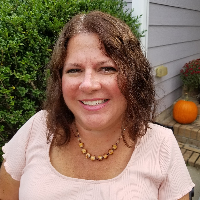
North Carolina · 5 yrs exp
Practical, person-centered therapy for daily struggles
Stress, Anxiety · Addictions · Grief · Depression · +7 more
Read profile
North Carolina · 4 yrs exp
Compassionate LCSW helping with mood and stress
Stress, Anxiety · Grief · Self esteem · Depression · +15 more
Read profile
North Carolina · 7 yrs exp
Therapist focused on practical growth
Stress, Anxiety · Relationship · Self esteem · Depression · +4 more
Read profile
North Carolina · 20 yrs exp
Practical therapy focused on steady progress
Stress, Anxiety · Addictions · Family · Career · +16 more
Read profile
North Carolina · 10 yrs exp
Warm LCSW focused on practical support
Stress, Anxiety · LGBT · Trauma and abuse · Self esteem · +12 more
Read profile
North Carolina · 22 yrs exp
Collaborative therapist for everyday challenges
Stress, Anxiety · Addictions · Relationship · Family · +2 more
Read profile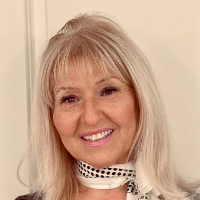
North Carolina · 15 yrs exp
Compassionate therapist focused on practical change
Relationship · Trauma and abuse · Grief · Parenting · +9 more
Read profileWhen you are looking for help, it helps to put words to what you are feeling. Low mood, an ongoing sense of sadness or emptiness, may come and go or feel almost constant. You might notice a loss of interest in activities that used to bring pleasure, persistent tiredness that does not improve with rest, or feelings of hopelessness about the future. These experiences often spill over into daily functioning - making it harder to concentrate at work, to keep up with household tasks, or to feel connected in relationships. You do not need a formal diagnosis to begin exploring help; noticing these patterns is a useful first step.
If you are having thoughts of harming yourself or thinking about suicide, reach out for immediate help. You can call or text 988 to connect with the 988 Suicide & Crisis Lifeline for support. If your situation feels life threatening, please call local emergency services right away. Therapists listed on this site do not prescribe medication. If you want to discuss medication or medical evaluations, a primary care doctor or a psychiatrist can talk with you about those options and next steps.
Profiles on this site group professionals under a listed location of North Carolina. That grouping does not by itself confirm a physical office, a current license, or that a professional is permitted to work with you in every area of the state. When you review a profile, check the information the professional has provided about their practice, and reach out directly to confirm whether they have permission to work with you where you live. Licensing and practice permissions can vary depending on where you and the professional are located, and those permissions can change over time.
Use profiles to compare practical and professional details such as the issues a professional lists, the populations they mention, the languages they speak, and the approaches they describe. These entries are intended to help you narrow your search, not to guarantee clinical suitability. If a profile mentions an office location, phone contact, or an intake process, verify those details directly with the professional before making any plans. Confirming basic facts early on will help you decide which professionals to contact for a deeper conversation.
Academic degrees and professional licenses are different types of credentials, and they tell you different things. A degree such as a PhD, PsyD, MD, MA, or MSW indicates an educational credential - what a person studied and the level of graduate training they completed. A degree alone does not establish that a person is currently permitted to provide mental health services where you live. Licenses or registrations are the legal permissions granted by state boards or regulatory bodies to practice. When you review a profile, look for information about licensure or registration if it is provided, and ask the professional to verify current status for your jurisdiction.
You may encounter a range of degree titles on profiles, and it is appropriate to ask professionals how their educational background shapes their approach to working with depression. You can also ask whether their license or registration allows them to offer services in North Carolina or in your specific county. This distinction matters because scope of practice, supervisory requirements, and legal permissions vary by credential and by state. If a profile mentions specific training approaches, remember that a listing only indicates what the professional has chosen to note, not an external verification of certification.
When you contact a professional, having a set of concrete questions can help you compare how well their approach matches your needs. You can ask how often they typically meet with people they work with, and how they collaborate with clients to set goals. Ask about the kinds of depression-related concerns they list on their profile and what outcomes people commonly work toward, keeping in mind that individual experiences vary. If you have particular circumstances - for example, a history of trauma, chronic health conditions, or concerns about work performance and relationships - ask whether they have experience addressing these areas and how they tailor their work to match each person's situation.
Discuss the approaches a professional mentions on their profile by name only as options to explore. You might say, "I noticed you list cognitive-behavioral approaches, interpersonal approaches, or behavioral activation. How do you decide which tools to use with a person facing persistent low mood?" Similarly, if a profile lists specialized approaches such as EMDR or trauma-focused methods, you can ask how those approaches have been integrated when depression is a central concern. Remember that profiles reflect what individuals choose to list, not a guarantee of specific qualifications or outcomes.
Before beginning work with a professional, talk through practical and personal factors that matter to you. Discuss how the professional structures sessions, how they measure progress, and how they address missed sessions or changes in your schedule. Ask about the languages they speak and whether they can communicate comfortably in the language you prefer. Language can shape the therapeutic process in important ways, so noting it on a profile is useful when you compare options.
When comparing profiles, look at focus areas, the populations listed, credentials presented, and the tone of the professional's description to get a sense of their style. Some profiles emphasize short-term, skills-based work for specific symptoms, while others describe an emphasis on exploring relationship patterns or life transitions. If cultural background, identity, or particular life experiences matter to you, look for profiles that mention those areas and ask direct questions about experience and perspective. Finally, confirm licensure and ask whether the professional has permission to work with you in your location. That direct verification is a practical step that will help you make an informed choice about who to contact next.
Searching for help with depression can feel overwhelming, but using profiles grouped under the listed location of North Carolina can make it easier to compare how different professionals describe their focus, education, and approach. Take time to read each profile, prepare specific questions that reflect your situation, and verify the professional's permission to work with you where you live. If you are in immediate danger or thinking about harming yourself, contact local emergency services or call or text 988 to reach the 988 Suicide & Crisis Lifeline for support.
Bipolar
1563 therapists
Depression
4396 therapists
Grief
2733 therapists
Guilt and Shame
2715 therapists
Isolation / Loneliness
2562 therapists
Midlife Crisis
1455 therapists
Mood Disorders
2132 therapists
Postpartum Depression
945 therapists
Seasonal Affective Disorder (SAD)
1145 therapists
Self Esteem
3578 therapists
Sleeping Disorders
912 therapists
Stress & Anxiety
4255 therapists
Trauma and Abuse
3145 therapists