
Stacey Sugar
LCPC, LPCCCalifornia · 14 yrs exp
Insight-focused counselor for life changes
Stress, Anxiety · Relationship · Family · Intimacy-related issues · +9 more
Read profileA plain-language guide to therapist profiles
Therapist listings are provided by BetterHelp. We will earn a commission at no additional cost to you if you sign up through our links.
Browse profiles of therapists who list depression among their specialties in the listed location California. Use the profiles to compare focus areas, therapeutic approaches, languages spoken, and academic credentials. Before contacting anyone, review their individual profile and confirm that they have permission to work with you where you live.
California · 14 yrs exp
Insight-focused counselor for life changes
Stress, Anxiety · Relationship · Family · Intimacy-related issues · +9 more
Read profile
California · 12 yrs exp
Warm, collaborative marriage and family therapist
Stress, Anxiety · Family · Parenting · Self esteem · +8 more
Read profile
California · 8 yrs exp
Therapist blending insight and practical skills
Stress, Anxiety · Addictions · Relationship · Self esteem · +15 more
Read profile
California · 20 yrs exp
Supportive LCSW helping people find practical change
Stress, Anxiety · Relationship · Family · Parenting · +15 more
Read profile
California · 5 yrs exp
Compassionate, goal-focused therapist
Stress, Anxiety · Relationship · Family · Depression · +13 more
Read profile
California · 7 yrs exp
Experienced LCSW focused on practical change
Stress, Anxiety · LGBT · Trauma and abuse · Self esteem · +1 more
Read profile
California · 22 yrs exp
Compassionate social worker guiding steady change
Stress, Anxiety · Self esteem · Depression · Coping with life changes · +2 more
Read profile
California · 25 yrs exp
Experienced LMFT focused on practical support
Stress, Anxiety · Relationship · Trauma and abuse · Parenting · +4 more
Read profile
California · 20 yrs exp
Support for stress and depression recovery
Stress, Anxiety · Grief · Self esteem · Career · +1 more
Read profile
California · 10 yrs exp
Practical therapy focused on lasting change
Relationship · Self esteem · Career · Coaching · +5 more
Read profile
California · 29 yrs exp
Hopeful, practical support for life changes
Stress, Anxiety · Relationship · Family · Intimacy-related issues · +15 more
Read profile
California · 8 yrs exp
Compassionate, practical support for everyday challenges
Stress, Anxiety · Relationship · Self esteem · Career · +9 more
Read profile
California · 20 yrs exp
Experienced therapist helping people find balance
Stress, Anxiety · Addictions · Relationship · Trauma and abuse · +15 more
Read profile
California · 10 yrs exp
Compassionate, skills-focused care for mood struggles
Stress, Anxiety · Addictions · Trauma and abuse · Self esteem · +6 more
Read profile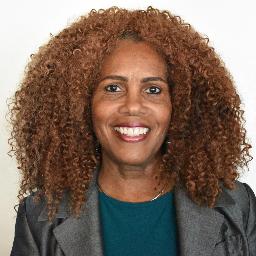
California · 22 yrs exp
Experienced LCSW focused on practical care
Stress, Anxiety · Anger · Self esteem · Depression · +9 more
Read profile
California · 30 yrs exp
Compassionate therapist helping people make lasting change
Stress, Anxiety · Addictions · Relationship · Trauma and abuse · +11 more
Read profile
California · 25 yrs exp
Compassionate guide for people facing major life struggles
Stress, Anxiety · LGBT · Trauma and abuse · Grief · +9 more
Read profile
California · 3 yrs exp
Practical skills and thoughtful listening
Stress, Anxiety · Addictions · Relationship · Family · +14 more
Read profile
California · 10 yrs exp
Experienced LCSW focused on practical coping skills
Stress, Anxiety · Relationship · Grief · Self esteem · +11 more
Read profile
California · 14 yrs exp
Compassionate counselor for life transitions
Stress, Anxiety · Addictions · Relationship · Depression · +10 more
Read profile
California · 15 yrs exp
Collaborative therapy for clearer days
Stress, Anxiety · Addictions · Trauma and abuse · Anger · +13 more
Read profile
California · 12 yrs exp
Compassionate, practical therapy for real-life challenges
Stress, Anxiety · Addictions · Relationship · Depression · +6 more
Read profile
California · 12 yrs exp
Compassionate, practical therapy for everyday life
Stress, Anxiety · Trauma and abuse · Grief · Self esteem · +12 more
Read profile
California · 8 yrs exp
Calm, practical help for everyday struggles
Stress, Anxiety · Relationship · Anger · Self esteem · +1 more
Read profileIf you are searching for help, you might be noticing low mood that lingers, a loss of interest in activities you once enjoyed, persistent tiredness, or feelings of hopelessness. These experiences can make it harder to concentrate at work, reduce energy for daily tasks, and strain relationships with family, friends, or colleagues. You do not need to label what you are feeling to look for support, but it can help to describe specific patterns - for example, whether sleep or appetite has changed, whether your motivation has shifted, or whether negative thoughts about yourself or the future are recurring.
When you read profiles in this listed location, look for language that reflects the kinds of concerns you are experiencing. Some therapists write about working with people who describe low mood and decreased interest, while others mention focus areas such as coping with life transitions, grief, or long-term mood struggles. The presence of a topic on a profile indicates that the therapist lists it among their specialties, but it does not prove a particular credential, training completion, or a guarantee of fit for your needs. Starting with concrete examples of your daily challenges will help you evaluate whether a given professional's stated focus aligns with your goals.
The directory groups profiles under the listed location California to help you narrow options, but a listed location does not by itself confirm a physical office, ongoing practice there, or permission to work with you in your specific city or state. You should check each individual profile for details provided by the therapist and then reach out to confirm their current authorization to offer care where you live. Licensing rules vary by state and sometimes by type of service, so direct confirmation is an important step.
Academic degrees and professional licenses mean different things. A degree such as PhD, PsyD, MD, MA, or MSW reflects the therapist's academic preparation. A license, registration, or credential indicates a legal or regulatory permission to practice in a jurisdiction. A degree alone does not establish current permission to provide care. When you review a profile, note both the degree and any listed license type, then ask the clinician to verify their current license status and whether they are permitted to work with you in your location.
When you contact a therapist, asking focused questions helps you compare how they describe their work. You might ask how they typically work with someone who says they are feeling persistently low, what kinds of problems they see most often, and whether they have experience supporting people with the specific challenges you face, such as concentration problems or relationship strain. It is reasonable to inquire about how they describe the goals of therapy and what a typical course of work looks like from their perspective.
Therapists often list approaches such as cognitive behavioral therapy, interpersonal therapy, psychodynamic approaches, acceptance and commitment approaches, or techniques like EMDR among their approaches. Remember that a listing of an approach indicates it is among the methods they use or describe, and it is appropriate to ask for more detail about how they apply that approach in practice. Concrete questions include asking how they would tailor their approach to your priorities, how progress is tracked, and how they involve you in planning treatment. If you want to know whether they work with partners, families, adolescents, or older adults, ask directly because a listed topic of depression does not automatically mean they treat every population.
If you are considering remote sessions, clarify logistical and practical details in advance. Ask what platforms the therapist uses for online meetings and what technical steps you should take to prepare. Discuss how they handle missed sessions, how long sessions typically last, and how you will receive any necessary paperwork or consent forms. It is also wise to talk about communication boundaries - for example, whether texting or email is appropriate between sessions and how urgent matters are managed.
Because therapists listed on this platform do not prescribe medication, you should consult a medical professional if you want to discuss medication options. If you are thinking about suicide or are in immediate crisis, call the 988 Suicide and Crisis Lifeline for immediate support. It is appropriate to ask a prospective therapist how they manage safety planning and what local resources they recommend if you live in California or another state. Confirming an emergency plan and knowing who to contact in a crisis can help you feel more informed before you begin.
Comparing profiles is easier when you use specific criteria. Start by identifying the focus areas that matter most to you - whether that is working through low mood, managing hopeless thoughts, addressing fatigue that interferes with work, or repairing relationships affected by depressive symptoms. Then look for profiles that explicitly mention those focus areas and read how each therapist describes their approach. Pay attention to the languages a clinician lists, since communicating in your preferred language can affect comfort and clarity.
Consider how the therapist presents their background. Note academic degrees and any license types mentioned, and remember to follow up to verify current standing and permission to practice where you live. Read the profile language to get a sense of therapeutic style - whether the clinician emphasizes practical skills, exploration of patterns from the past, or a collaborative problem-solving approach - and think about which style would suit you. When you reach out, you can use specific comparison questions, such as asking how the therapist would support you during a particularly low week, how they measure progress, and what kinds of strategies they commonly use in early sessions. These concrete conversations can help you determine which profiles reflect a clinical approach and communication style that align with your needs.
Choosing a therapist is a personal process that benefits from careful review and direct conversation. Use the listed location California to narrow your search, read profiles for focus and language fit, verify licensing and permission to work together where you live, and ask concrete questions about approach, experience, and safety planning before moving forward.
Bipolar
1563 therapists
Depression
4396 therapists
Grief
2733 therapists
Guilt and Shame
2715 therapists
Isolation / Loneliness
2562 therapists
Midlife Crisis
1455 therapists
Mood Disorders
2132 therapists
Postpartum Depression
945 therapists
Seasonal Affective Disorder (SAD)
1145 therapists
Self Esteem
3578 therapists
Sleeping Disorders
912 therapists
Stress & Anxiety
4255 therapists
Trauma and Abuse
3145 therapists